
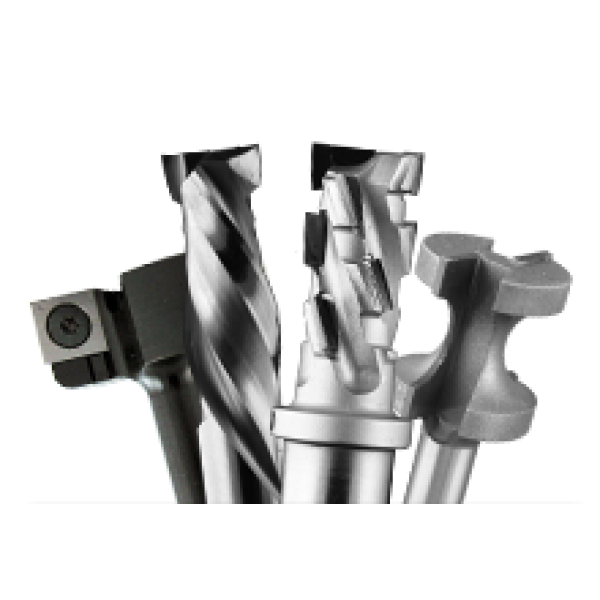
When it comes to high-precision woodworking operations—whether moulding, doors & windows, flooring, or panel processing—standard tools often fall short of the mark. That’s where custom cutters come into play. This article explores what custom cutters are, why a shop might invest in them, how the process works, and what to consider when specifying them.
1. What Are Custom Cutters?
Custom cutters are cutting tools—such as router bits, shaper knives, and profiler heads—that are designed and manufactured to a specific profile or application rather than being “off-the-shelf.”
In woodworking, this might mean:
-
A moulding knife set that exactly matches an existing architectural profile
-
A router bit for a CNC machine with a special edge geometry for a niche material
-
A cutterhead with inserts designed to produce a unique door panel profile
Skookum Tools offers custom tooling such as CNC tools, cutterheads, and saw blades produced using modern manufacturing technology with cutting edges like carbide inserts, solid carbide, and PCD.
Online Supply provides custom router bits, shaper cutters, and moulding knives to match customer specifications.
In short, if your profile, material, or machine setup is non-standard, custom cutters give you the ability to match the tool exactly to the job.
2. Why Use Custom Cutters?
There are several compelling reasons for woodworking shops to go down the custom cutter route:
a) Precision & Fit
When you need to replicate a particular profile—say an older moulding for a restoration job or a complex door panel profile—standard tooling may not match exactly. Custom cutters allow you to reproduce the shape with exacting detail, reducing the need for manual finishing or reworking.
b) Efficiency & Productivity
Because the tool is designed for the exact material, machine speed, feed rate, and profile, you can often achieve better efficiency: fewer passes, less cleanup, and less adjustment. A custom solution means fewer compromises and faster production.
c) Longer Tool Life
Custom cutters can be built with advanced materials like solid carbide or PCD, suited to your specific application. Matching the tool material to the job often results in much longer tool life—sometimes lasting 20 to 75 times longer than generic tooling.
d) Competitive Advantage
Having the ability to manufacture a special cutter can differentiate your shop—allowing you to take on unique projects, reproduce rare profiles, and work on difficult materials like laminates, exotic woods, and composites more reliably.
e) Cost Savings
Although the upfront cost of custom tooling is higher, reduced waste, less downtime, and less finishing work often mean your overall cost per piece is lower over time.
3. How the Custom Cutter Process Works
Here’s a general breakdown of the typical steps when ordering a custom cutter:
-
-
Machine type (shaper, router, CNC, moulder)
-
Horsepower and spindle speed
-
Material being cut (wood species, MDF, laminate, etc.)
-
Profile drawing, sample, or CAD file
-
Expected run length (short-run or long-run production)
-
-
Engineering & Design
-
The tooling manufacturer designs the cutter based on your input: shank or bore size, body material, insert style, cutting geometry, and profile match.
-
Machine speeds, feed rates, and material hardness are considered to determine optimal performance.
-
-
Quotation & Review
-
You receive a quote and a design proof to review.
-
Adjustments can be made before manufacturing begins.
-
-
Manufacturing
-
The cutter is machined, sharpened, balanced, and quality checked.
-
Insert tools are fitted, and tool balance is verified for high-speed use.
-
-
Installation & Setup
-
The shop installs the cutter, verifies fit and balance, and runs sample cuts to confirm performance.
-
-
Maintenance & Service
-
Keep records of tool use and sharpening.
-
Many custom cutters can be resharpened or rebuilt depending on design.
-
4. What to Consider When Ordering Custom Cutters
-
Machine and Setup Compatibility – Provide accurate machine details such as spindle speed, shank/bore size, and rotation direction.
-
Material and Application – Specify the material being cut and expected finish quality.
-
Production Volume – Choose tool materials (carbide, PCD, etc.) appropriate for the volume of work.
-
Profile Accuracy – Submit clear drawings, CAD files, or physical samples to ensure the final tool matches your needs.
-
Edge Material Selection – Decide between carbide, solid carbide, or diamond (PCD) depending on performance and longevity needs.
-
Serviceability – Ask if the cutter can be resharpened or rebuilt.
-
Tool Balancing and Safety – Ensure all cutters are properly balanced for the intended speed.
-
Cost vs. Benefit – Evaluate the long-term savings from increased productivity and tool life.
-
Lead Time – Allow time for design, approval, and production, as custom tools take longer to produce than off-the-shelf items.
-
Documentation – Keep records of profiles, dimensions, and machine parameters for easy reordering.
5. Real-World Example
A production mill working on custom railings and mouldings may find that standard cutter heads can’t match a historic profile. In that case:
-
The shop sends a drawing or physical sample to a tooling manufacturer.
-
The manufacturer designs and produces a custom cutterhead using carbide or PCD knives.
-
The shop installs the cutter and begins producing identical, high-quality parts with minimal hand finishing.
The result: faster production, better consistency, and the ability to take on specialized projects that competitors can’t easily match.
6. Summary
Custom cutters offer woodworking businesses a way to achieve better precision, efficiency, and product quality. When designed correctly, they deliver superior performance, longer tool life, and measurable cost savings.
If your shop faces any of the following situations, custom cutters are worth considering:
-
You need to reproduce historic or specialty profiles
-
You’re cutting non-standard or abrasive materials
-
You want to improve efficiency and reduce finishing time
-
You have unique machines or spindle requirements
Partnering with an experienced tooling supplier ensures you get a cutter designed precisely for your needs—improving results and setting your work apart from the competition.
Ready to get started? Fill out the Cutter request Form Here!
